
战火中童年的哀歌:利比亚孩子们的苦难生活
我们在安心上班、学习的时候,世界上还有一些国家正处于战火之中,比如几乎长年战乱的利比亚。
而那些国家中的孩子,不但遭遇着颠沛流离,还会面临着虐待、强奸等苦难。
可以读一读本期《经济学人》中的这篇文章:
Child rape is far too common in some war-torn African countries
在战乱纷争的非洲国家,儿童强奸案太常见
Trauma, social breakdown and impunity all seem to play a role
本文通过利比亚的儿童性侵案,揭露了性侵案发生的经济,社会原因。
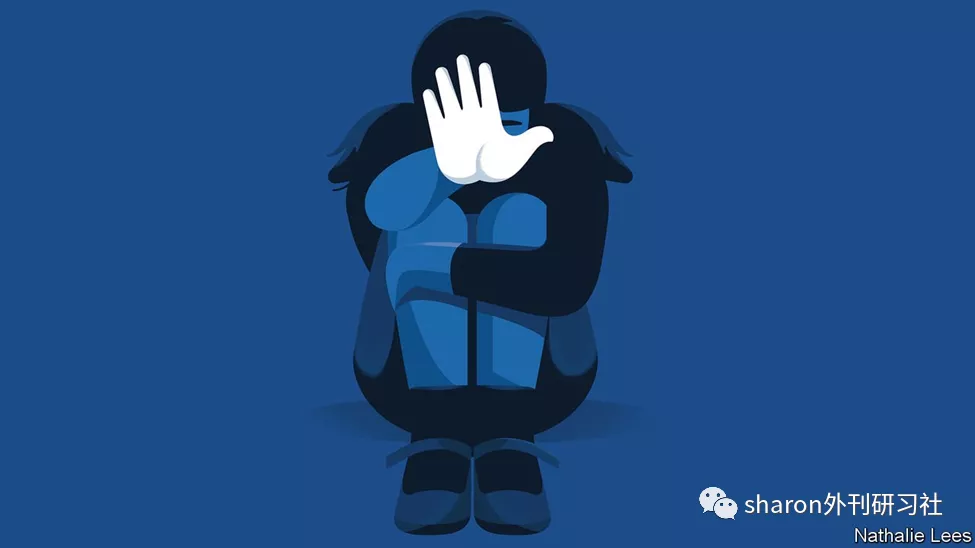
在利比亚北部联合国资助的性侵儿童救难所中,记者见到了3岁的小女孩Yei。
几个月前,她的祖母将她托付给一个熟悉的摩托车司机,拜托其将Yei送到她的父母那里。
结果,Yei被这个司机强奸了。因为受伤严重,Yei在救难所接受了两个多月的治疗。
而Yei的父母因害怕司机一家,始终不敢将Yei从救难所中带回。
儿童性侵案全世界都有发生,但战乱国家尤其频繁。据联合国记录:在冲突区域,过去15年发生了15000起这样的案件。
然后,这只是冰山一角。7200万生活在战乱区的儿童遭受了性侵犯。很多案件都没有上报。
去年,利比亚共报告了1275起性侵案,其中10%的受害者年龄低于6岁,36%的受害者年龄低于13岁。
8个月的婴儿被继父性侵,3岁的女孩被15岁的男孩以残暴手段伤害性侵。
因为性质太过恶劣,利比亚总统将强奸定为“国家紧急事件”。
为什么在战乱区,儿童强奸案频发?
因为战争不但摧毁了人们的生活,还使某些人的思想扭曲了-与儿童发生关系,会让施暴者刀枪不入!!!
国家动荡,社会不安定,人们思想扭曲,就会出现无数的效仿行为。
混乱的社会,就会有人兴风作浪,蛊惑人们:强奸的孩子年龄越小,施暴者就会变得越富有!
反复的战乱的利比亚,让很多儿童成了士兵。而残酷的战场经历,给这些童兵造成了很多创伤。
而毒品是儿童性侵案的另一个原因。
利比亚有三台DNA检测仪,可以帮助识别施暴者。
但每天的性侵案太多,法庭已经应接不暇,监狱也人满为患。
真正因为性侵儿童而被判刑的人很少。一年之后,基本就再没有案件的消息了。
生逢盛世,要好好生活,珍惜当下!
以下为英文原文:
FOR A FLEETING instant it is possible to believe that Yei (not her real name) is a normal, if shy, three-year-old. “Smart Brave Amazing''declares her pyjama top, the words smiling up in red, yellow and green. But thewoman Yei clings to is not her mother and the building she is in is not her home.
She is in a UN-funded government shelter for survivors of sexual assault in northern Liberia. A few months earlier her grandmother trusted a familiar motorbike taxi driver to take Yei to her parents. Instead he raped her.
Yei spent two weeks in hospital as doctors tried to repair the damage. She no longer speaks and has been in the shelter for three months. Her parents, wary of the rapist’s family, are scared to bring her home.
Sexual abuse of young children happens all around the world. But children living in war-torn countries are at much higher risk. Those incountries recovering from conflict, such as Liberia, may also face greater dangers. The UN has recorded 15,000 cases of rape and sexual violence against children in conflict zones over the past 15 years.
This, it warns, is probably a fraction of the true number. Around 72m children live in war zones in which fighters sexually attack children, according to research by Ragnhild Nordås of the University of Michigan and co-authors. That is almost ten times the number in 1990.
Reliable data about sexual assaults on young children in post-conflictplaces are scarce. As happens elsewhere, many attacks go unreported. Last year Liberia recorded 1,275 sexual assaults or rapes of people of all ages, according to official figures. Fully 10% of the victims were younger than six and 36% were younger than 13.
At a sexual-violence clinic in Monrovia, the capital, a nurse recounts how an eight-month-old baby was raped by her step father. A soft toy to comfort children perches on the examination table next to a large doll which young victims, often unable to speak, can point at to show what happened to them.
About a year before Yei was attacked, another three-year-old was lured away from a water pump by a 15-year-old who used a razor blade to cut open hergenital area to penetrate her. That attack caused large protests in Monrovia, which prompted President George Weah to declare rape a “national emergency”.
Why so many men rape young children in war and its aftermath is not well understood. Some experts think that war warps not just morality but also common sense. Between 2013 and 2016 in Kavumu, a village in eastern Congo, atleast 11 men kidnapped and raped about 40 girls under the age of ten.
Some were as young as 18 months. After each rape the men would take some blood from the victim’s hymen, believing this would protect them from bullets in battle. In 2017 a court convicted the 11 men of murder and rape.
Many of their victims were treated at Panzi Hospital, which was founded by Denis Mukwege, who was jointly awarded the Nobel peace prize in 2018 for his efforts to end sexual violence in war. The number of babies and infants treated for rape at the hospital dipped in the year after the trial, says SylvainMwambali, a doctor who works there.
But it soon shot up again, to a higher level than in the three years before the convictions. In the past three years the hospital has treated 103 raped children aged five or younger, or about on eevery ten days.
In 2020 Dr Mwambali treated a baby just a few months old whosevagina and intestines were mutilated by rape. “I could not sleep for weeks,”she says. “How can someone carry on, creating a wound like that? She would have been suffering, crying, they destroyed her vulva, up until the anus, yet they continued.”
Sometimes rebels may rape children to terrorise and control the population. Other men may copy them, perhaps because it makes them feel powerful. A breakdown in law and order may allow rapists to escape any punishment. “There is a social deterioration,” says Dr Mwambali. “People can rape your mother in front of you…there are rapes in churches.”
In Liberia, warped beliefs of a different kind are a common explanation for why men rape young children. Some traditional healers tell people, “If you have intercourse with a young girl, you will become rich,” says Margaret Taylor of Women Empowerment Network, an NGO. “The younger the person is, the more riches they get.”
Research elsewhere suggests that the sexual abuse of children is more common in societies that are more violent in other ways and, in particular, where rape or sexual abuse of adults is widespread. Liberia suffered back-to-back civil wars between 1989 and 2003 in which tens of thousands of child soldiers—some as young as nine or ten—fought and, in many cases, were forced to execute prisoners.
Many of them are now back in their villages, but have received little or no treatment for the psychological trauma they suffered. Drug-taking, a huge problem in Liberia, has been shown elsewhere to lead to theabuse of children. Much remains unknown. “We haven’t really put our finger on it,” admits Williametta Saydee-Tarr, the minister of gender and children.
That makes combating child rape more difficult. It does not help thatprosecutors often struggle to convict perpetrators. The government in Liberia has three DNA machines to try to better identify those responsible, says MsSaydee-Tarr. But the courts are overwhelmed and prisons are overflowing.
The head of the clinic in Monrovia complains that prosecutions of those who rape children are rare and slow. She follows the cases of the many victims of allages who are seen in the clinic. For “more than a year,” she laments, “we have notheard of a conviction.
声明:本文由"麦兜"发布,不代表"破站"立场,转载联系作者并注明出处:https://www.848586.cn/143251.html